Enterprise Data Intelligence and AI Agents: Building an Efficient Data Governance Mechanism
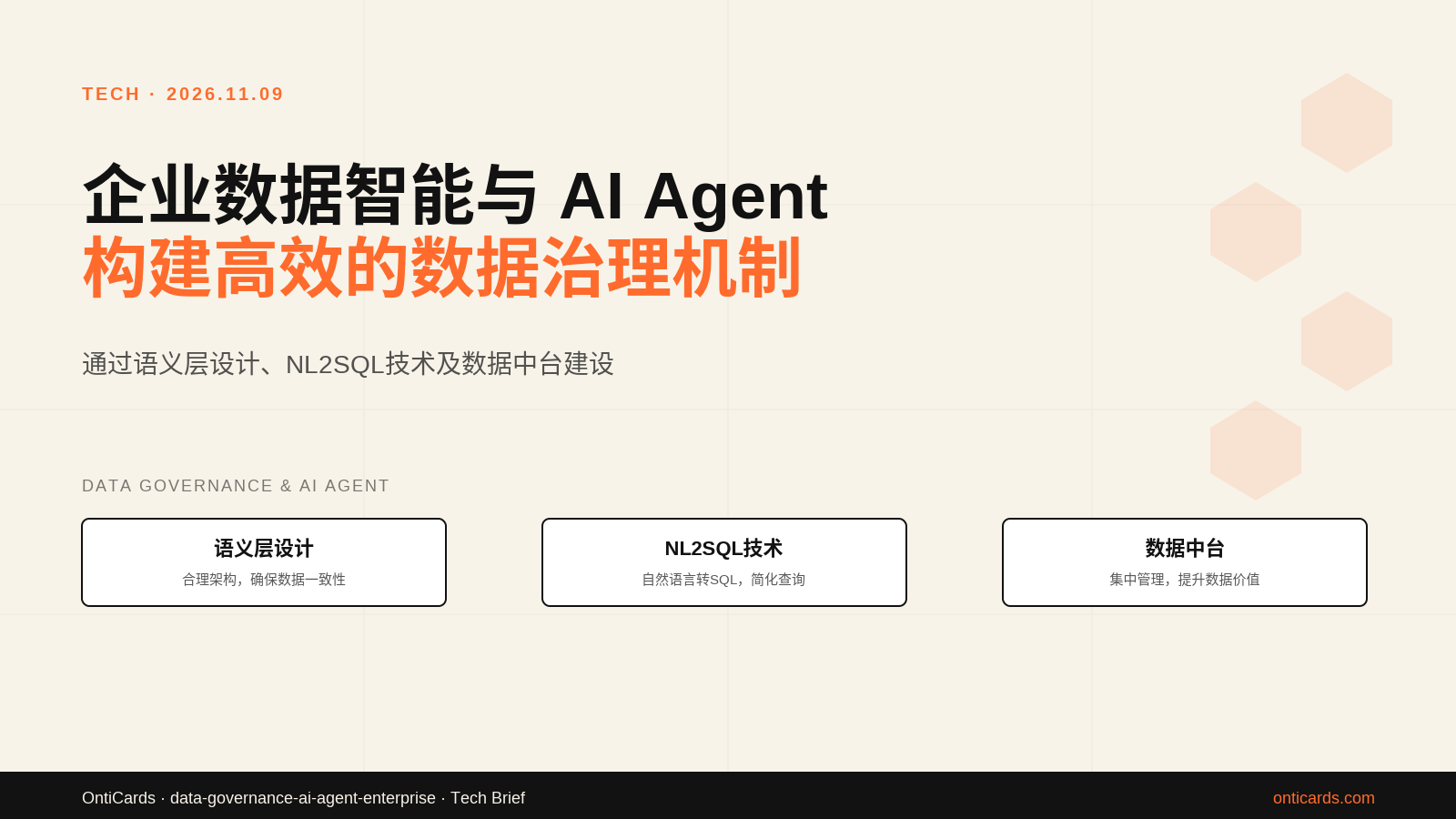
This article explores how to build an efficient enterprise data governance mechanism by leveraging reasonable semantic layer design, the application of NL2SQL technology, and the construction of a data middleware, combined with the practical implementation of AI agents, thereby maximizing the value of data while ensuring data security.
Enterprise Data Intelligence and AI Agents: Building an Efficient Data Governance Mechanism
In current enterprise data management, the combination of data governance and AI agents has become a key factor in enhancing business efficiency and data credibility. By implementing reasonable semantic layer design, applying NL2SQL technology, and constructing a data middleware, enterprises can achieve more automated and intelligent data processing workflows. This article will delve into how to build an efficient data governance mechanism, thereby maximizing the value of data while ensuring its security.
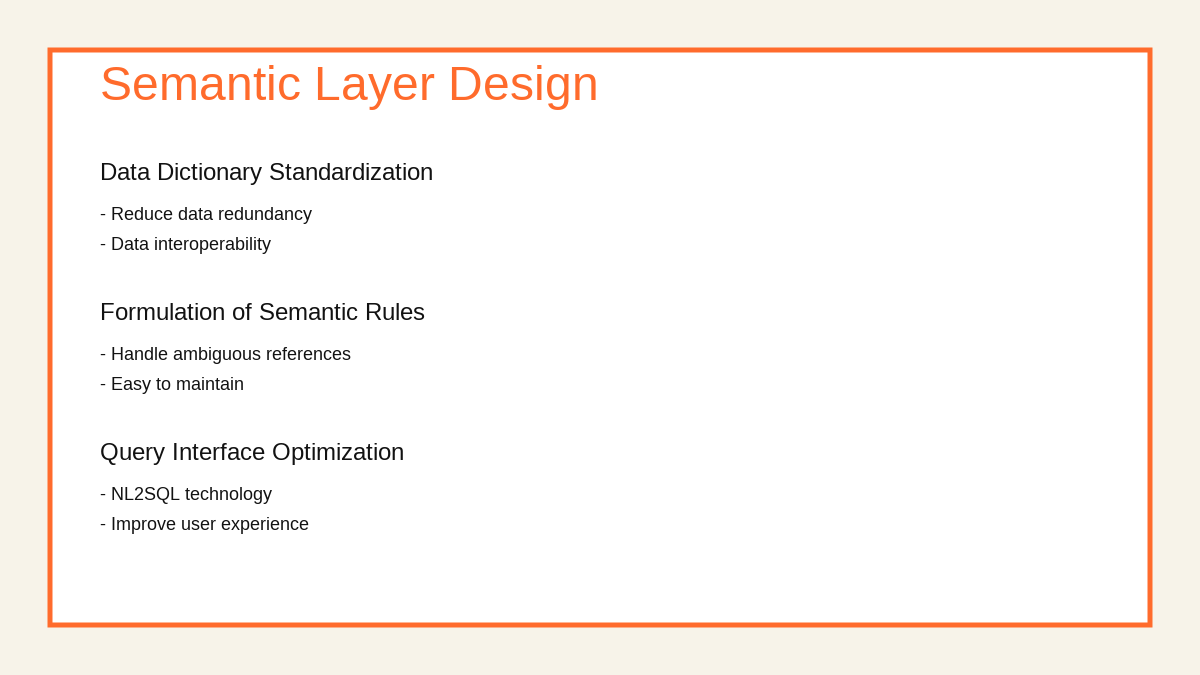
Design and Implementation of the Semantic Layer
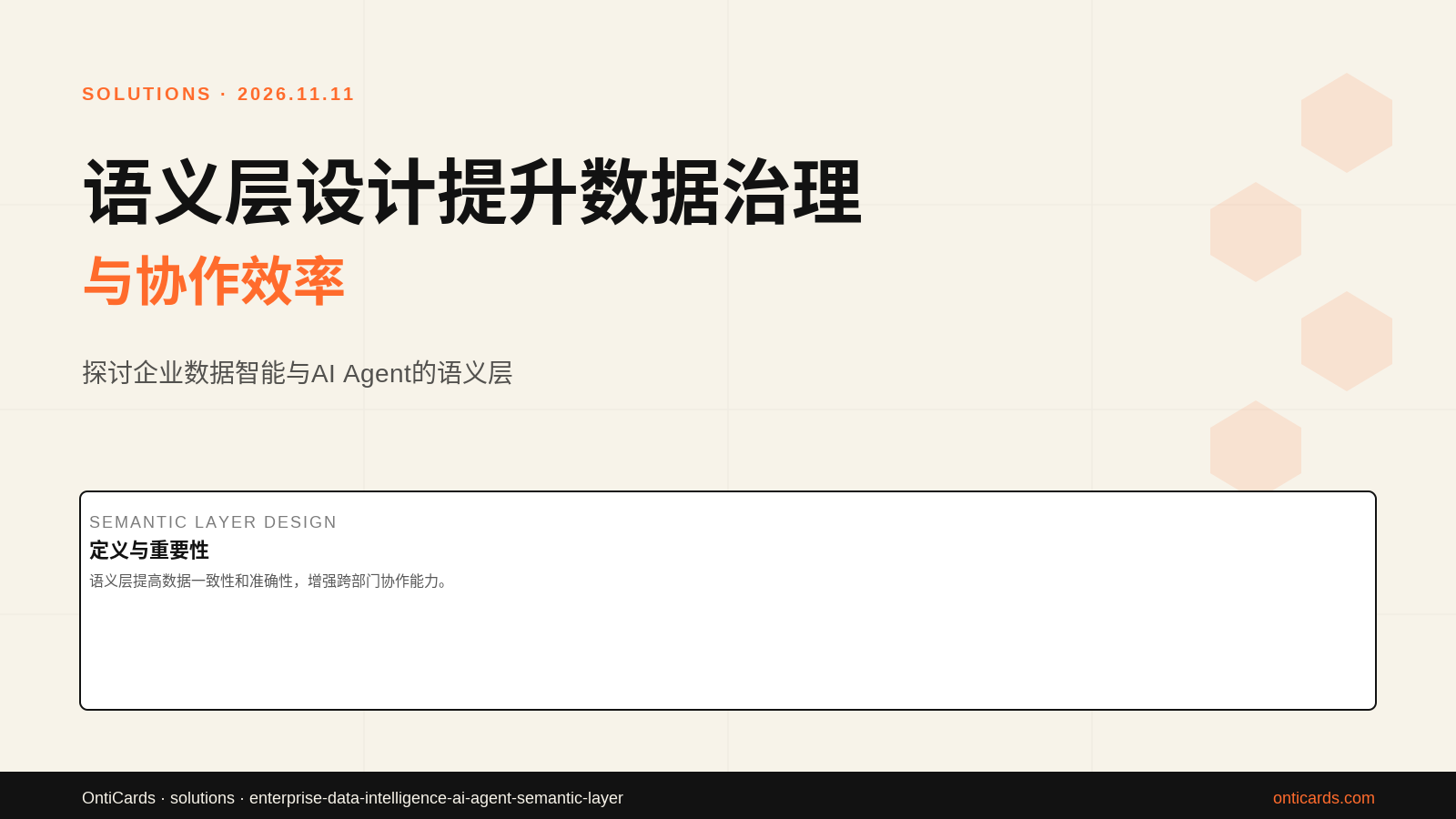
The semantic layer, acting as a bridge between user queries and underlying data models, plays a crucial role in enterprise data governance. By defining a unified data dictionary and semantic rules, the semantic layer effectively addresses the heterogeneity of multi-source data and improves data interpretability. For example, when collaborating with manufacturing enterprises, it is common for the same report to be inconsistent between financial and production departments. The semantic layer ensures data consistency across different departments by providing consistent data definitions and transformation rules, thus improving overall data quality.
In practical applications, the design of the semantic layer needs to consider the following aspects:
- Standardization of the Data Dictionary: Establish a comprehensive and standardized data dictionary that covers all key business entities and their attributes. This not only helps reduce data redundancy but also ensures interoperability between different systems.
- Formulation of Semantic Rules: Define clear semantic rules to handle common ambiguous references. These rules should cover various business scenarios and be easy to maintain and extend.
- Optimization of Query Interfaces: Introduce technologies like NL2SQL to simplify the user query process. This not only enhances the user experience but also reduces the risk of errors from manually writing SQL.
Application of NL2SQL Technology
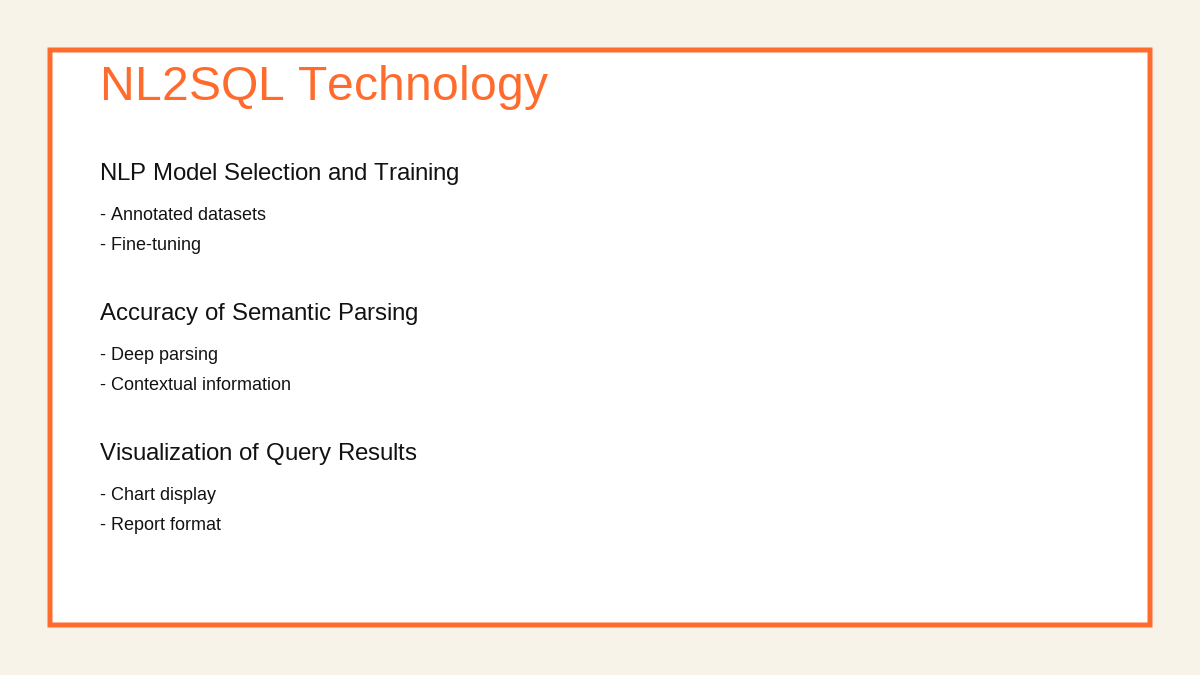
NL2SQL (Natural Language to SQL) technology enables non-technical users to execute complex data queries through simple natural language instructions. This is significant for improving data access efficiency and lowering the technical threshold in enterprises. However, the implementation of NL2SQL is not achieved overnight; it requires powerful NLP technology and rich semantic parsing capabilities.
Specifically, the application of NL2SQL technology should pay attention to the following points:
- Selection and Training of NLP Models: Choose appropriate NLP models and train them sufficiently. This includes large annotated datasets and fine-tuning for specific business scenarios.
- Accuracy of Semantic Parsing: Ensure the accuracy of semantic parsing, especially when handling complex query statements. This requires deep parsing combined with contextual information to accurately identify user intent.
- Visualization of Query Results: Provide intuitive ways to display query results, helping users better understand and use the data. This can be achieved through charts, reports, and other forms.
In practical applications, we have found that by introducing NL2SQL technology, enterprises can significantly improve the efficiency of data queries and reduce the error rate caused by manual SQL writing. Additionally, this technology promotes cross-departmental data sharing and collaboration, further enhancing the overall operational efficiency of the enterprise.
Construction of the Data Middleware
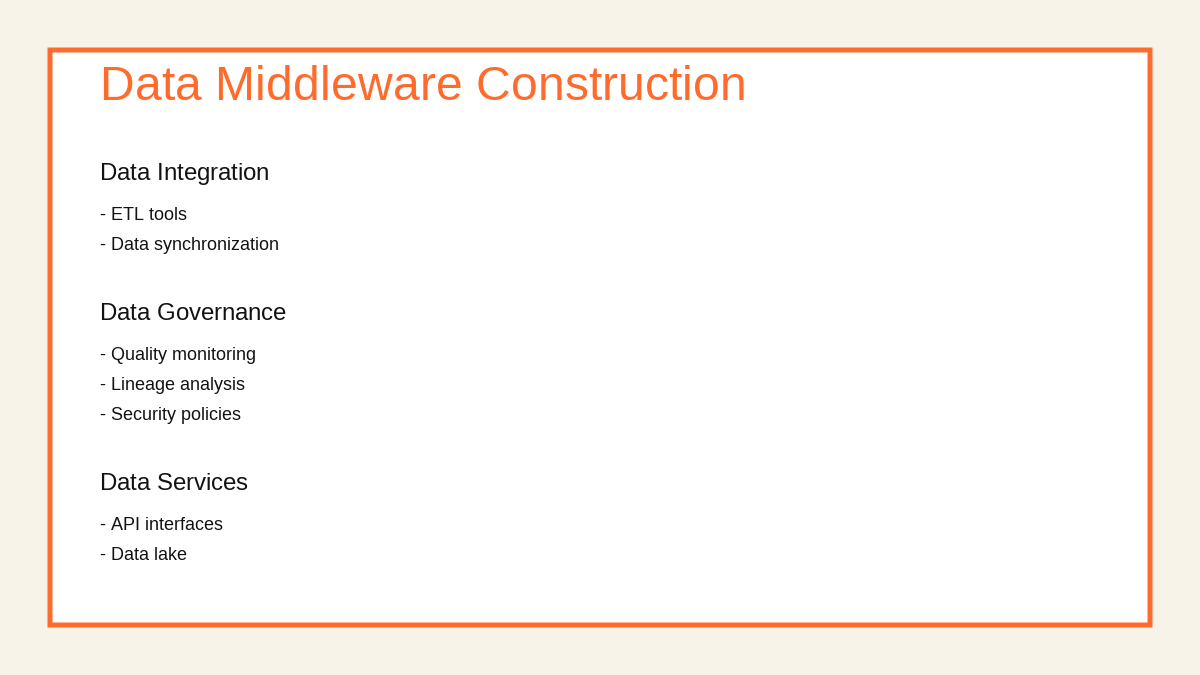
As the core infrastructure of enterprise data governance, the data middleware aims to integrate and manage data from different sources, providing unified data services. Through the data middleware, enterprises can achieve centralized storage, cleaning, processing, and distribution of data, supporting the rapid development and iteration of various business applications.
In the construction of the data middleware, the following key points need to be considered:
- Data Integration: Aggregate data from various systems onto a centralized platform to ensure data consistency and integrity. This typically requires the use of ETL tools and data synchronization technologies.
- Data Governance: Establish a comprehensive data governance system, including data quality monitoring, data lineage analysis, and data security policies. These measures ensure the quality and security of data throughout its lifecycle.
- Data Services: Provide flexible data service interfaces that support multiple data access methods. This includes traditional API interfaces as well as data lake and data warehouse-based data services.
Through the construction of the data middleware, enterprises can not only enhance the efficiency of data utilization but also better respond to changing business needs. As an open platform, the data middleware supports the integration and extension of third-party systems, providing greater flexibility and scalability for enterprises.
Practical Implementation of AI Agents
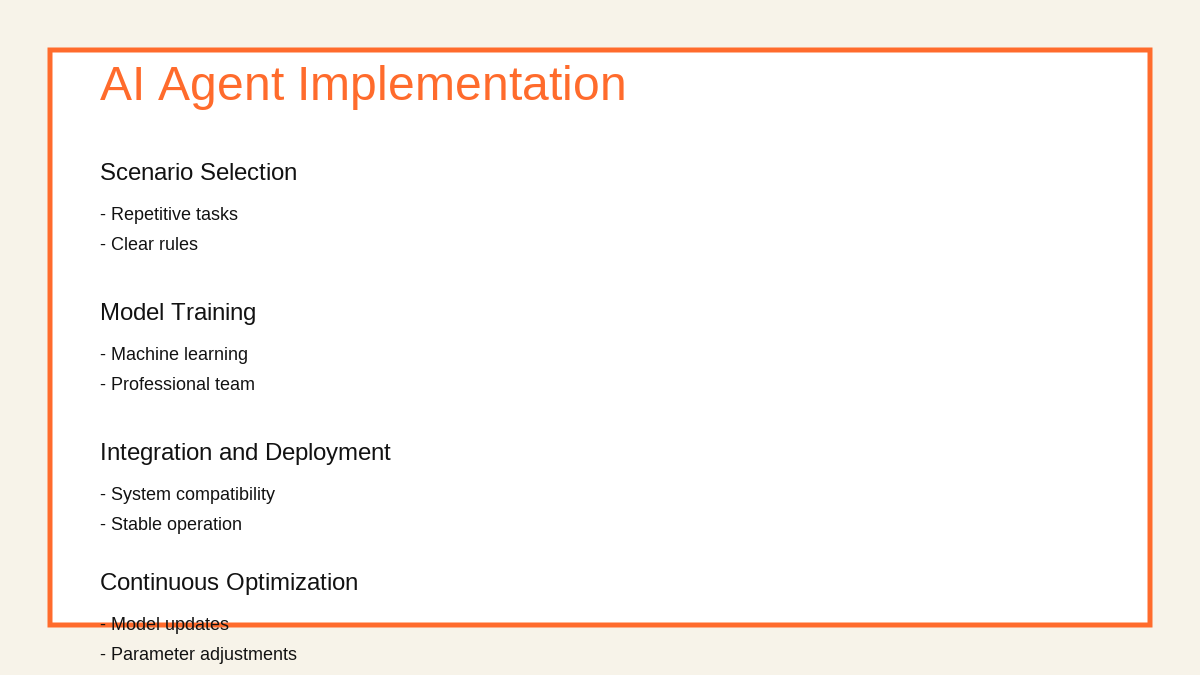
As an intelligent data processing tool, AI agents can help enterprises enhance the effectiveness of data governance at multiple levels. Through automated data processing and decision support, AI agents can significantly improve operational efficiency and data quality.
In the practical implementation of AI agents, the following aspects need to be considered:
- Scenario Selection: Choose business scenarios suitable for AI agent applications. These are typically tasks with high repetition, clear rules, and large data volumes, such as data cleaning and anomaly detection.
- Model Training: Select appropriate machine learning models based on specific business needs and train them sufficiently. This requires a large amount of high-quality data and the support of a professional data science team.
- Integration and Deployment: Integrate the AI agent into existing data processing workflows and ensure its stable operation. This usually requires close collaboration with the IT team to ensure system compatibility and stability.
- Continuous Optimization: Regularly evaluate the performance of the AI agent and continuously optimize it based on feedback. This includes updating the model and adjusting parameters to continuously improve its performance.
In our collaborations with some clients, we have found that by introducing AI agents, enterprises can significantly improve the efficiency of data processing and reduce the risk of human errors. Especially in scenarios with complex permission calibers, it is often more cost-effective to first implement semantic layer constraints rather than relying solely on models.
Conclusion
By implementing a reasonable semantic layer design, applying NL2SQL technology, constructing a data middleware, and implementing AI agents, enterprises can maximize the value of data while ensuring its security. In practical applications, we need to comprehensively consider various factors and make reasonable technology selections and architectural designs. Only then can we truly achieve data-driven intelligent enterprise management.
References
- This article is based on publicly available industry information and the author's practical experience. (No external citations)